By Trenten Hammond
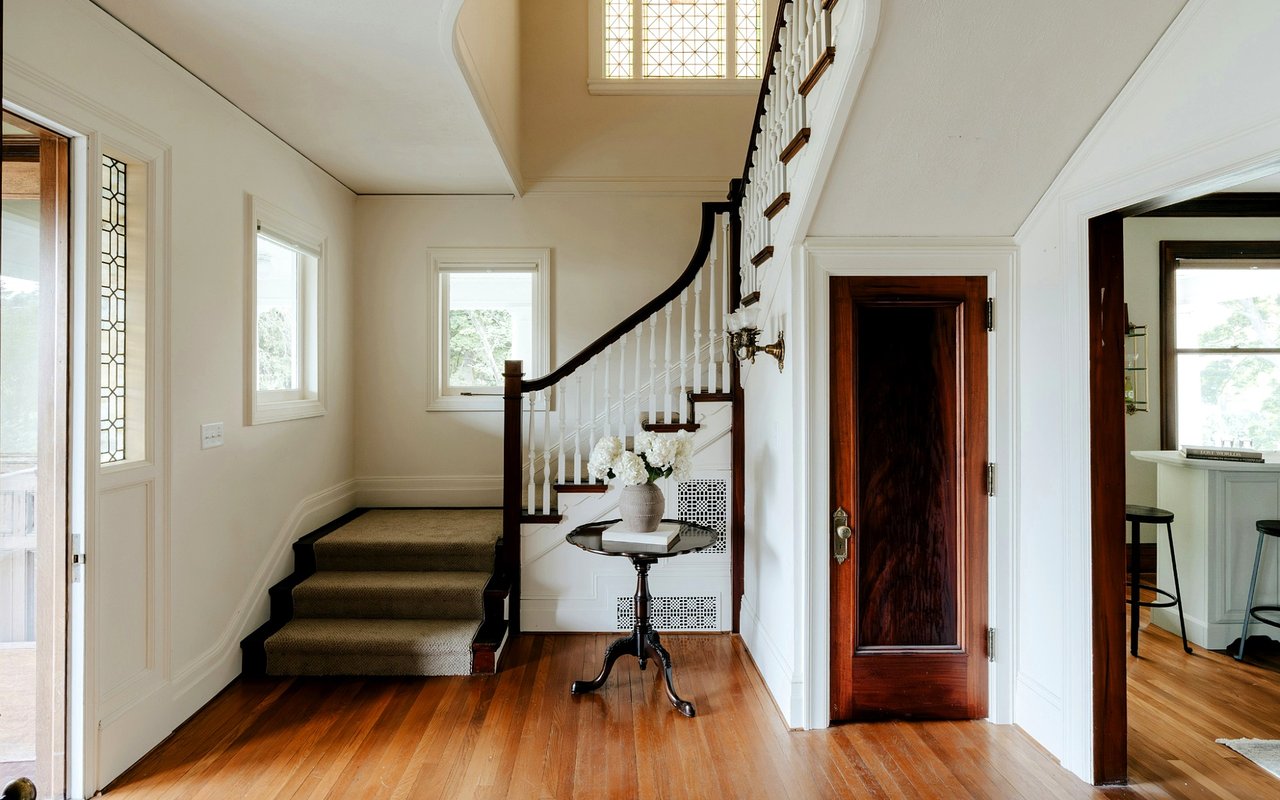
If you own a historic home in Guntersville, you already know that maintaining it requires a different kind of attention than a modern build and a deep respect for the materials and methods that gave it its character in the first place. After all, historic home ownership in Guntersville comes with a particular set of rewards and responsibilities. The original wood floors, the plaster walls, and the wide front porches with their turned columns — these aren't just aesthetic details. They're structural elements that require knowledgeable care.
Whether you've lived in your historic home for years or recently purchased a vintage property near the lake, this guide is built around what you actually need to know. From seasonal upkeep to sourcing period-appropriate materials, here's how to approach maintaining a historic home in Guntersville with confidence.
Key Takeaways
-
Historic homes in Guntersville require maintenance strategies tailored to their original materials and construction methods.
-
The humid, warm Alabama climate creates specific challenges for wood, masonry, and roofing that owners need to stay ahead of.
-
Period-appropriate repair materials help preserve structural integrity and long-term value.
Understanding What Your Historic Home Is Made Of
Before you can maintain a historic home properly, you need to understand its composition. Homes built in the late 1800s through the mid-20th century in Guntersville were constructed with materials and techniques that differ significantly from today's standards. Old-growth wood, lime-based mortars, single-wythe brick construction, and original plaster walls each have their own behavior patterns, vulnerabilities, and ideal maintenance approaches.
Start by identifying the age and construction type of your home. A Craftsman bungalow will have different structural needs than a Victorian-era two-story. Original siding is often heart pine or cypress, both of which are exceptionally durable but require specific treatment to prevent rot. Masonry foundations from this period are typically softer brick, which means they're susceptible to damage from modern high-pressure washing.
One of the most common and costly mistakes historic homeowners make is applying modern repair materials to original construction. Using the wrong type of mortar, paint, or caulk can trap moisture, cause cracking, or accelerate deterioration. Taking the time to understand what's already there protects both the fabric of your home and your investment.
Start by identifying the age and construction type of your home. A Craftsman bungalow will have different structural needs than a Victorian-era two-story. Original siding is often heart pine or cypress, both of which are exceptionally durable but require specific treatment to prevent rot. Masonry foundations from this period are typically softer brick, which means they're susceptible to damage from modern high-pressure washing.
One of the most common and costly mistakes historic homeowners make is applying modern repair materials to original construction. Using the wrong type of mortar, paint, or caulk can trap moisture, cause cracking, or accelerate deterioration. Taking the time to understand what's already there protects both the fabric of your home and your investment.
Where To Start Your Assessment
-
Walk the perimeter and look for signs of moisture intrusion, settling, or efflorescence (white mineral deposits on masonry).
-
Check the foundation for cracks or crumbling mortar, particularly at the base of chimneys and around window sills.
-
Inspect wood siding up close for soft spots, peeling paint, or areas where water may be running behind the surface.
-
Look at your roof for missing flashing, lifted shingles, or deteriorating ridge caps that can lead to interior damage.
-
Evaluate the condition of your windows, including glazing compound, wood sills, and whether the weatherstripping is original or has been replaced with incompatible materials.
Managing Moisture in Alabama's Climate
Guntersville's climate is warm and humid for a significant portion of the year. Lake Guntersville itself contributes additional moisture to the environment, and seasonal rain patterns mean that moisture management is an ongoing priority for any historic homeowner.
Wood is the most common historic building material in this region, and wood responds dramatically to changes in humidity. Expansion and contraction over seasons can cause paint to fail, joints to open, and siding to warp if the wood is not properly sealed and maintained. Exterior paint on a historic home is more than cosmetic; it's a moisture barrier. Allowing it to peel or crack opens the door to rot that can spread quickly through the original wood if it has no pressure treatment to slow it down.
Gutters and drainage are often underestimated in their importance. Keeping the gutters clear and ensuring that downspouts direct water away from the foundation is one of the simplest and most effective things you can do to protect a historic home. Water pooling near a foundation, particularly one built with soft historic brick, leads to long-term structural issues that are among the most expensive repairs a homeowner can face.
Wood is the most common historic building material in this region, and wood responds dramatically to changes in humidity. Expansion and contraction over seasons can cause paint to fail, joints to open, and siding to warp if the wood is not properly sealed and maintained. Exterior paint on a historic home is more than cosmetic; it's a moisture barrier. Allowing it to peel or crack opens the door to rot that can spread quickly through the original wood if it has no pressure treatment to slow it down.
Gutters and drainage are often underestimated in their importance. Keeping the gutters clear and ensuring that downspouts direct water away from the foundation is one of the simplest and most effective things you can do to protect a historic home. Water pooling near a foundation, particularly one built with soft historic brick, leads to long-term structural issues that are among the most expensive repairs a homeowner can face.
Moisture Management Priorities by Season
-
In spring, inspect the gutters and downspouts after winter, and clear away debris before the heavy rain season begins.
-
During summer, check exterior wood surfaces for paint failure or cracking caused by UV exposure and high humidity.
-
In fall, seal any gaps or openings in the building envelope before cooler temperatures set in.
-
During winter, monitor attic ventilation to prevent condensation buildup, which can damage roof sheathing and attic framing over time.
-
Year-round, keep foundation plantings trimmed back so that air can circulate and moisture doesn't accumulate against exterior walls.
Repairing Historic Windows and Wood Details
There is a strong case for maintaining and restoring original wood windows rather than replacing them. Well-maintained original windows can last well over a century; they are typically made of old-growth wood that is far denser and more rot-resistant than modern lumber. When they're functioning correctly and properly weatherstripped, they can perform comparably to modern replacements in energy efficiency.
Restoration typically involves stripping and re-glazing the glass panes, repairing or replacing deteriorated wood sash members, and re-painting with a high-quality exterior oil or alkyd paint. Hardware from the period, such as original sash locks and pulleys in double-hung windows, is worth preserving or sourcing from salvage suppliers if replacements are needed. These details contribute to the authenticity of the home and are increasingly valued by buyers who specifically seek out historic properties.
Beyond the windows, the decorative wood details that define historic homes in Guntersville, including porch columns, fascia boards, corner boards, and brackets, require monitoring. Because these elements are exposed and often have horizontal surfaces that hold water, they tend to deteriorate faster than protected wood. Addressing small areas of soft wood with epoxy consolidants and fillers is a viable repair strategy; it preserves the original profile without requiring full replacement.
Restoration typically involves stripping and re-glazing the glass panes, repairing or replacing deteriorated wood sash members, and re-painting with a high-quality exterior oil or alkyd paint. Hardware from the period, such as original sash locks and pulleys in double-hung windows, is worth preserving or sourcing from salvage suppliers if replacements are needed. These details contribute to the authenticity of the home and are increasingly valued by buyers who specifically seek out historic properties.
Beyond the windows, the decorative wood details that define historic homes in Guntersville, including porch columns, fascia boards, corner boards, and brackets, require monitoring. Because these elements are exposed and often have horizontal surfaces that hold water, they tend to deteriorate faster than protected wood. Addressing small areas of soft wood with epoxy consolidants and fillers is a viable repair strategy; it preserves the original profile without requiring full replacement.
What To Look For in Wood Repair
-
Probe wood with a screwdriver or awl to identify soft spots.
-
Look for paint that has bubbled or separated from the substrate, which usually indicates moisture behind the surface.
-
Check the ends of porch columns and the bottoms of baluster posts, which are especially vulnerable to end-grain moisture absorption.
-
Evaluate window sills for proper slope; they should direct water away from the wall, and any that have settled flat are at risk of retaining moisture.
-
Consider epoxy-based repair products for salvaging original wood details before committing to full replacement.
Preserving Masonry and Chimneys
Masonry on historic homes in Guntersville, whether it's a brick foundation, a chimney stack, or decorative brick accents, requires care that accounts for the age and composition of the materials. Historic brick is typically softer and more porous than modern brick, and the lime-based mortar used in older construction is intentionally softer than the brick itself; this allows the mortar to absorb movement and moisture rather than the brick.
Repointing (replacing deteriorated mortar in masonry joints) is one of the most important and frequently mishandled repairs on historic properties. The standard cement mortars used in modern construction are too hard for historic brick and will cause the brick faces to spall (chip or flake) over time. When repointing a historic chimney or foundation, the replacement mortar should be a lime-based mix that closely matches the original in hardness and composition. A qualified mason with experience in historic preservation can help you identify the right formula.
Chimneys are also vulnerable to water infiltration from above. The flashing at the base of the chimney where it meets the roof is a common failure point, and the chimney cap (the masonry or concrete cap at the top) can crack over time and allow water to enter the flue. Annual inspection of the chimney, particularly before the heating season if you use a wood-burning fireplace, is a critical maintenance practice.
Repointing (replacing deteriorated mortar in masonry joints) is one of the most important and frequently mishandled repairs on historic properties. The standard cement mortars used in modern construction are too hard for historic brick and will cause the brick faces to spall (chip or flake) over time. When repointing a historic chimney or foundation, the replacement mortar should be a lime-based mix that closely matches the original in hardness and composition. A qualified mason with experience in historic preservation can help you identify the right formula.
Chimneys are also vulnerable to water infiltration from above. The flashing at the base of the chimney where it meets the roof is a common failure point, and the chimney cap (the masonry or concrete cap at the top) can crack over time and allow water to enter the flue. Annual inspection of the chimney, particularly before the heating season if you use a wood-burning fireplace, is a critical maintenance practice.
Masonry Maintenance Checklist
-
Inspect mortar joints annually for cracking, crumbling, or gaps, particularly around chimneys and foundation perimeter walls.
-
Avoid high-pressure washing on historic brick, which can force water into the masonry and erode the mortar joints.
-
Apply a breathable masonry consolidant or water repellent only after confirming it is appropriate for historic brick; some sealers trap moisture and cause more damage.
-
Look for staining or streaking on brick surfaces, which often indicates water running behind flashings or through deteriorated joints.
FAQs
Can I Make Energy Efficiency Improvements Without Compromising My Historic Home?
Yes, and there are effective approaches that don't require replacing original materials. Adding weatherstripping to original windows and doors, improving attic insulation, and installing storm windows over original wood windows are all reversible measures that improve comfort without altering the historic character of the home. Consult with a preservation specialist before making changes to the exterior envelope.
How Do I Find Period-Appropriate Materials for Repairs in the Guntersville Area?
Architectural salvage yards, specialty lumber suppliers that stock old-growth or reclaimed wood, and preservation-focused suppliers carry materials appropriate for historic homes.
What Are the Biggest Maintenance Mistakes Historic Homeowners Make?
Using incompatible materials, neglecting moisture management, delaying small repairs until they become large ones, and covering original details with vinyl or aluminum cladding are among the most common and costly errors. These mistakes can reduce both the historic integrity and the market value of the property.
Protect What Makes Your Home Irreplaceable
Owning a historic home in Guntersville means stewarding something that can't be rebuilt once it's gone. The original wood, the handcrafted details, the proportions of rooms designed in a different era; these are qualities that give your home a depth that modern construction simply doesn't offer. Maintaining that heritage takes attention and the right knowledge, but it's entirely manageable with a consistent approach.
Well-maintained, historic homes in desirable lakeside communities hold their value well, attract buyers who appreciate the details, and often carry a premium that reflects the care their owners have invested. Every repair done correctly and every original feature saved adds to that long-term worth.
When you're ready to discuss what maintaining or selling your historic Guntersville property looks like, I'm here to help you navigate every step. Reach out to me, Trenten Hammond, to get started.
Well-maintained, historic homes in desirable lakeside communities hold their value well, attract buyers who appreciate the details, and often carry a premium that reflects the care their owners have invested. Every repair done correctly and every original feature saved adds to that long-term worth.
When you're ready to discuss what maintaining or selling your historic Guntersville property looks like, I'm here to help you navigate every step. Reach out to me, Trenten Hammond, to get started.