By Trenten Hammond
Modern design has a reputation for looking cold. Clean lines, open layouts, and a neutral palette can read as polished in a magazine but feel a little austere once you are actually living inside the space.
The good news is that warmth and modern style are not opposites. You do not have to abandon the streamlined look you love to make a space feel inviting. Warmth comes from layering texture, light, and natural materials in a way that complements those crisp architectural lines rather than working against them. A few intentional choices can take a room from showroom to sanctuary without cluttering the clean aesthetic that drew you to modern design in the first place.
Whether you are styling a new build, refreshing a contemporary condo, or softening the look of a renovated space here in Guntersville, this guide walks you through the most effective ways to add warmth to a modern home interior. Each idea is designed to layer in comfort while keeping the sophisticated, uncluttered feeling intact.
Key Takeaways
- Layering natural materials like wood, stone, and wool brings organic warmth that balances sleek modern surfaces.
- Lighting is one of the fastest ways to change how warm a room feels, especially when you move away from harsh overhead fixtures.
- A warm, grounded color palette adds depth without sacrificing the clean look that defines modern interiors.
- Texture through rugs, throws, and upholstery makes hard-edged spaces feel softer and more livable.
- Personal touches and greenery give a modern room life, so it feels lived in rather than staged.
Layer In Natural Materials And Organic Textures
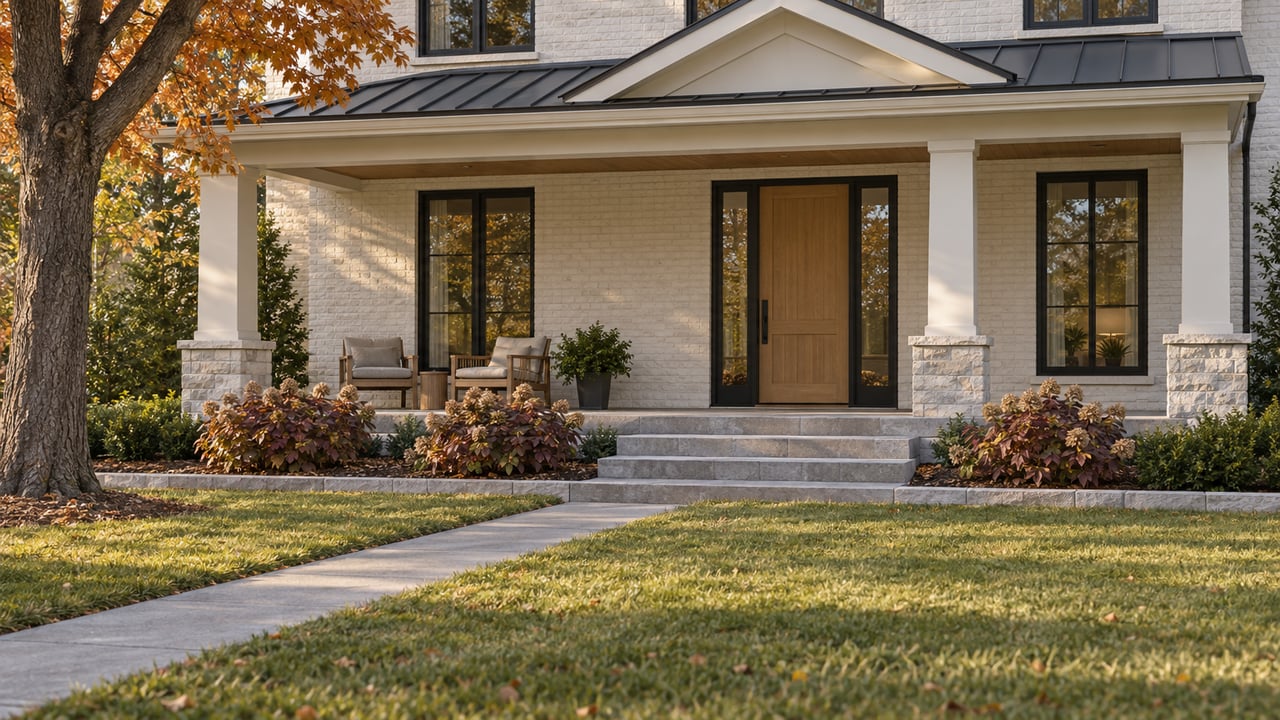
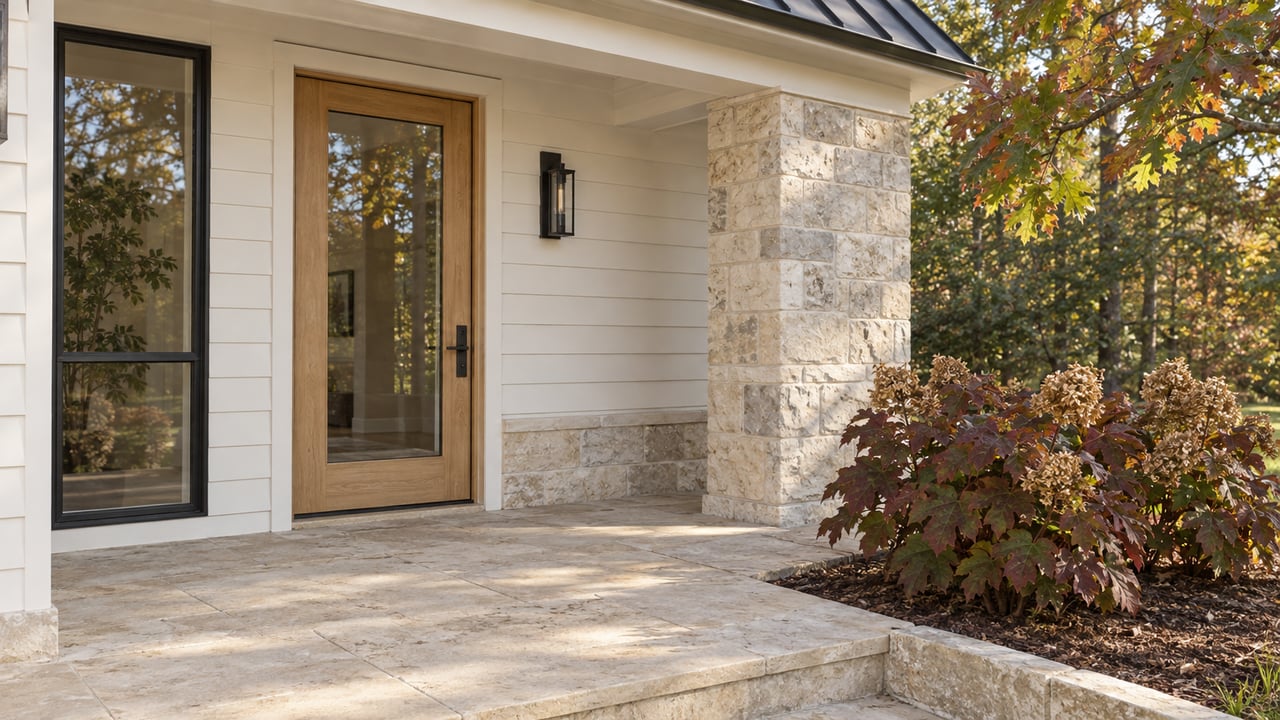
The quickest way to warm up a modern interior is to introduce materials that come from nature. Modern design often leans on glass, polished concrete, and lacquered finishes, all of which reflect light and feel cool to the touch. When you bring in wood, stone, leather, and woven fibers, you create a tactile contrast that immediately makes a room feel grounded and welcoming.
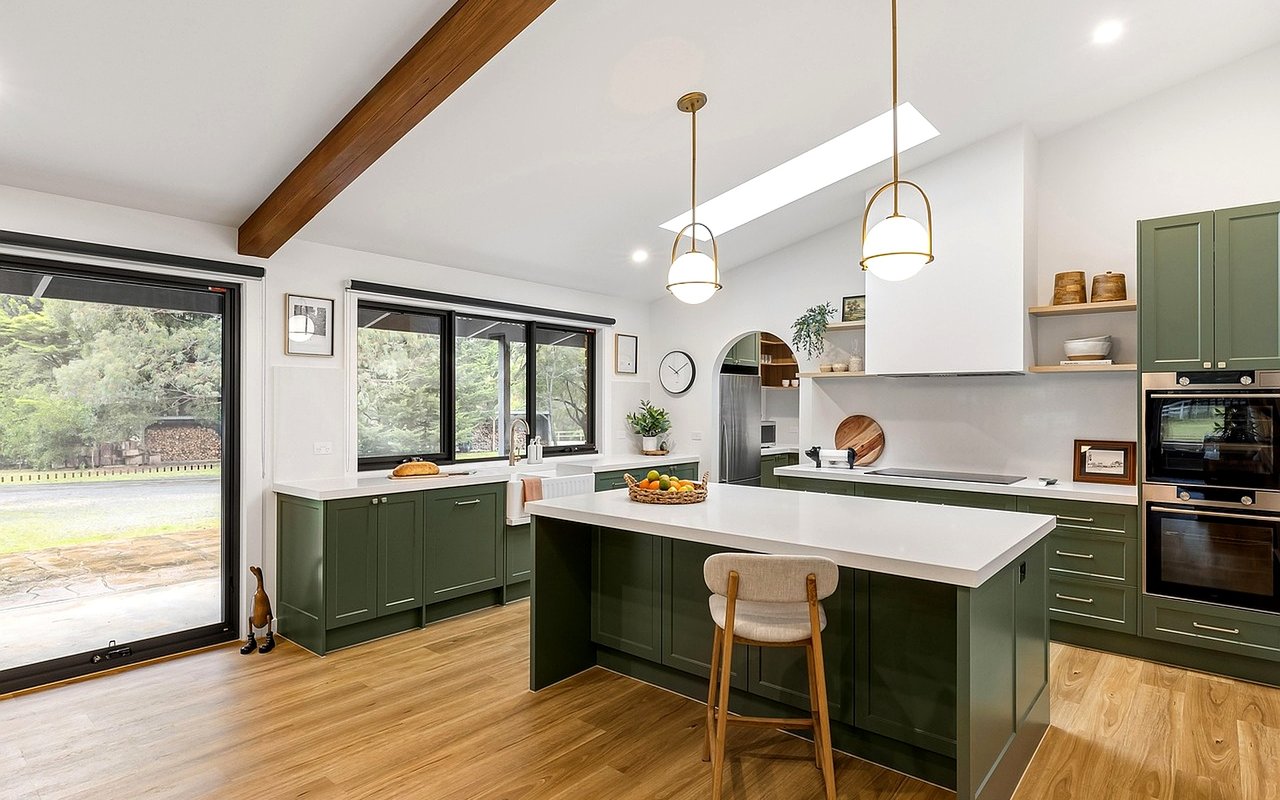
A reclaimed wood console against a white wall, a live-edge dining table, or wide-plank flooring in a honeyed tone can anchor an entire space. Stone elements, such as a soapstone countertop or a slatted oak feature wall, add depth and a sense of permanence. The goal is not to overhaul your home but to layer these elements so the eye has something warm and organic to land on in every room.
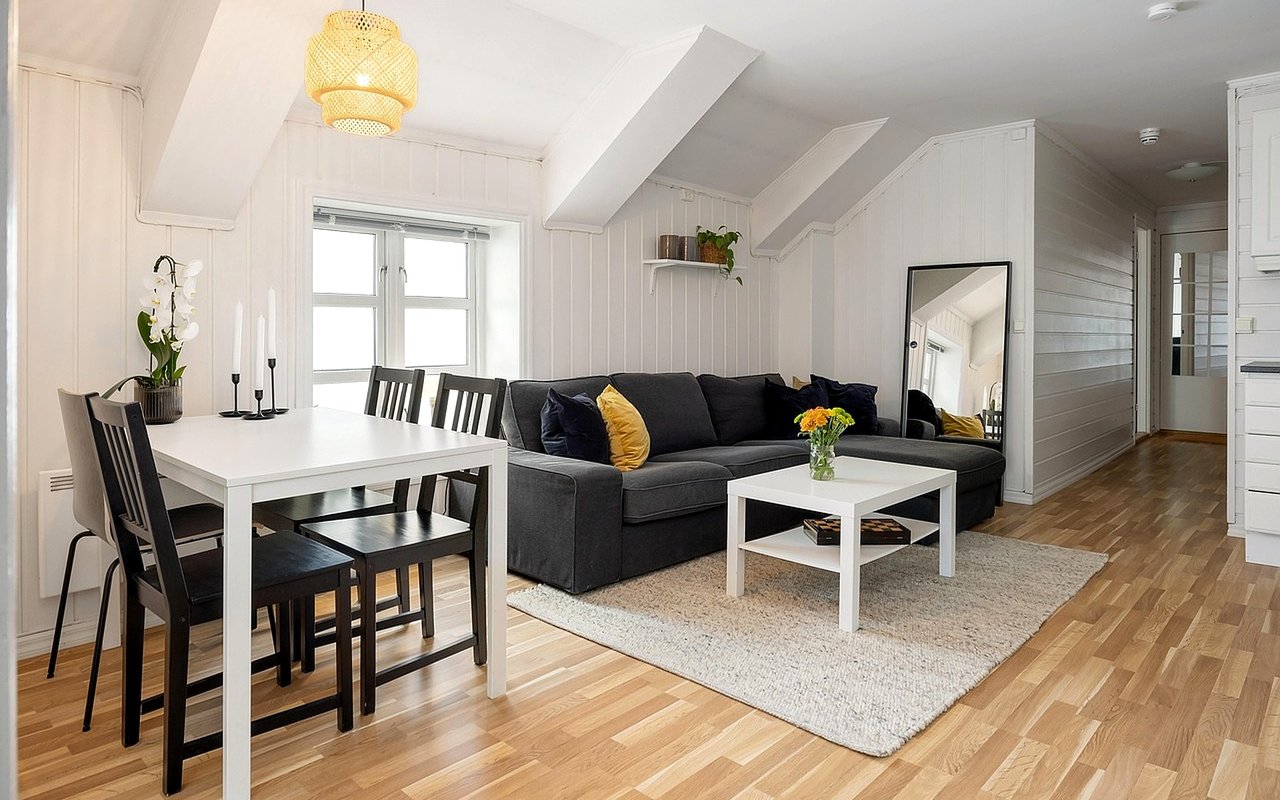
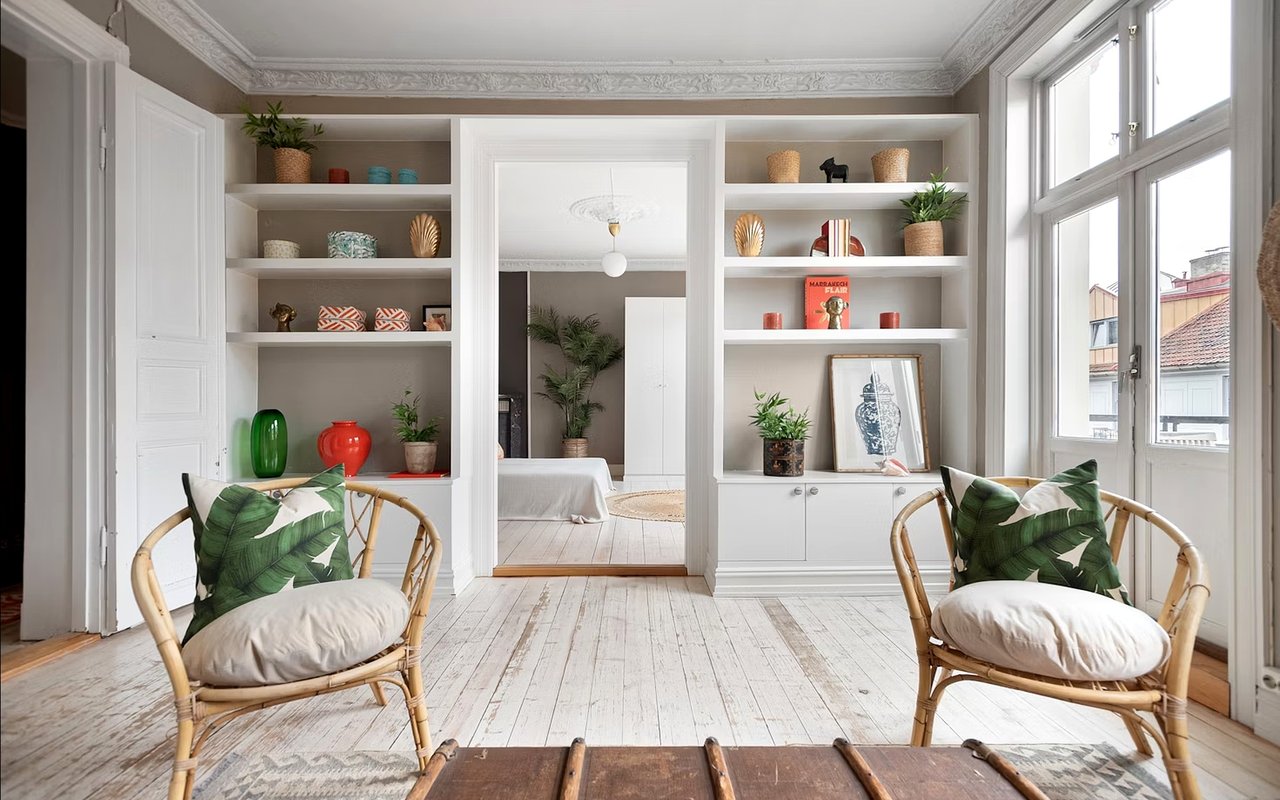
Texture matters as much as material. A nubby wool throw draped over a low-profile sofa, a jute rug underfoot, or linen drapery in place of stiff synthetic panels all soften the hard geometry that defines modern rooms.
A reclaimed wood console against a white wall, a live-edge dining table, or wide-plank flooring in a honeyed tone can anchor an entire space. Stone elements, such as a soapstone countertop or a slatted oak feature wall, add depth and a sense of permanence. The goal is not to overhaul your home but to layer these elements so the eye has something warm and organic to land on in every room.
Texture matters as much as material. A nubby wool throw draped over a low-profile sofa, a jute rug underfoot, or linen drapery in place of stiff synthetic panels all soften the hard geometry that defines modern rooms.
Materials That Add Instant Warmth
- Wood tones, including walnut, oak, and teak, introduce richness and a handcrafted feel to clean spaces.
- Natural stone surfaces, such as marble, soapstone, and travertine, lend weight and organic character.
- Wool, boucle, and sheepskin add softness that contrasts beautifully with metal and glass.
- Leather seating develops a lived-in patina over time that makes a room feel established.
- Jute, sisal, and woven rattan bring an earthy texture that keeps modern rooms from feeling sterile.
Rethink Your Lighting For A Cozier Glow
Lighting is one of the most underrated tools for warming up a modern home, and it is often the cheapest to change. Many contemporary spaces rely on bright, recessed ceiling fixtures that flatten a room and cast a clinical glow. Replacing or supplementing that harsh overhead light with layered, lower sources transforms how the entire space feels after sunset.
Think in terms of layers. Ambient light fills the room, task light supports activities like reading or cooking, and accent light showcases art or architectural details. When you combine all three, a room gains depth and intrigue. A floor lamp in a reading corner, a pair of table lamps on a console, and a dimmable pendant over the dining area give you control over the mood at any hour.
The temperature of your bulbs is just as important as the fixtures. Cool white bulbs reinforce that cold, office-like feeling, while warm white bulbs in the 2,700 to 3,000 Kelvin range cast a soft, golden tone that flatters both the room and the people in it. Adding dimmers throughout your home lets you dial the brightness down in the evening so that the space feels calm and restful.
Think in terms of layers. Ambient light fills the room, task light supports activities like reading or cooking, and accent light showcases art or architectural details. When you combine all three, a room gains depth and intrigue. A floor lamp in a reading corner, a pair of table lamps on a console, and a dimmable pendant over the dining area give you control over the mood at any hour.
The temperature of your bulbs is just as important as the fixtures. Cool white bulbs reinforce that cold, office-like feeling, while warm white bulbs in the 2,700 to 3,000 Kelvin range cast a soft, golden tone that flatters both the room and the people in it. Adding dimmers throughout your home lets you dial the brightness down in the evening so that the space feels calm and restful.
Lighting Choices That Create Warmth
- Warm white bulbs in the 2,700 to 3,000 Kelvin range give off a soft, golden glow rather than a harsh blue tone.
- Dimmer switches let you adjust the tone from bright and functional to low and relaxing.
- Table and floor lamps bring light down to eye level, which feels far cozier than overhead fixtures alone.
- Wall sconces add a soft wash of light that accentuates texture and architecture.
- Candles and flame-effect fixtures introduce flickering, ambient light that no overhead bulb can replicate.
Choose A Warm, Grounded Color Palette
A modern palette does not have to mean stark white and gray. While neutrals are central to contemporary design, the specific neutrals you choose make an enormous difference in how warm a room feels. Cool grays and bright whites can feel crisp, yet they often tip into cold. Shifting toward warmer neutrals keeps the clean, modern look while adding a layer of comfort.
Look for warm whites with a hint of cream, greige tones that sit between gray and beige, and earthy accents like terracotta, ochre, olive, and rust. These colors echo the natural materials you are layering in, so the palette feels cohesive and intentional. You can keep your walls light and let warmth come through in furniture, textiles, and art, or you can commit to a deeper, enveloping tone in a room where you want a cocoon-like feeling.
Contrast keeps a warm palette from feeling flat. Pairing a soft, warm neutral on the walls with darker wood furniture, charcoal accents, or a single saturated accent wall gives the space dimension. The result is a room that still reads as modern but feels considered and inviting rather than empty.
Look for warm whites with a hint of cream, greige tones that sit between gray and beige, and earthy accents like terracotta, ochre, olive, and rust. These colors echo the natural materials you are layering in, so the palette feels cohesive and intentional. You can keep your walls light and let warmth come through in furniture, textiles, and art, or you can commit to a deeper, enveloping tone in a room where you want a cocoon-like feeling.
Contrast keeps a warm palette from feeling flat. Pairing a soft, warm neutral on the walls with darker wood furniture, charcoal accents, or a single saturated accent wall gives the space dimension. The result is a room that still reads as modern but feels considered and inviting rather than empty.
Warm Palette Ideas For Modern Rooms
- Warm whites and creamy off-whites keep walls light while avoiding the chill of a stark white.
- Greige and warm taupe create a soft, modern backdrop that pairs well with wood and stone.
- Earthy accents, such as terracotta, ochre, and olive, add depth and a connection to nature.
- Deep, moody tones, including charcoal and forest green, can make a room feel enveloping and refined.
- Natural wood finishes act as a warm neutral all on their own and ground the whole palette.
Add Texture, Greenery, And Personal Touches
Once your materials, lighting, and palette are working together, the finishing layer is what truly makes a modern home feel like yours. This is where soft goods, plants, and personal objects come in. A minimalist room can feel beautiful but impersonal, so the styling stage is your chance to bring in life and individuality.
Soft textiles do a lot of heavy lifting. A chunky knit throw, a stack of linen and velvet pillows, and a plush area rug all add the kind of tactile comfort that makes you want to sink in and stay a while. Layering different textures within the same color family keeps the look intentional rather than busy. The contrast between a smooth leather chair and a fuzzy sheepskin, or a sleek table and a hand-thrown ceramic vase, is what gives a modern room character.
Greenery is one of the easiest ways to inject warmth and movement into a space. A large potted fiddle-leaf fig in a corner, trailing pothos on a shelf, or a simple arrangement of branches on the table softens hard lines and connects the indoors to nature. Finish with art and objects that mean something to you, including books, ceramics, and pieces you have collected over time, so the room tells your story instead of looking like a catalog page.
Soft textiles do a lot of heavy lifting. A chunky knit throw, a stack of linen and velvet pillows, and a plush area rug all add the kind of tactile comfort that makes you want to sink in and stay a while. Layering different textures within the same color family keeps the look intentional rather than busy. The contrast between a smooth leather chair and a fuzzy sheepskin, or a sleek table and a hand-thrown ceramic vase, is what gives a modern room character.
Greenery is one of the easiest ways to inject warmth and movement into a space. A large potted fiddle-leaf fig in a corner, trailing pothos on a shelf, or a simple arrangement of branches on the table softens hard lines and connects the indoors to nature. Finish with art and objects that mean something to you, including books, ceramics, and pieces you have collected over time, so the room tells your story instead of looking like a catalog page.
Finishing Touches That Bring A Room To Life
- Layered textiles, such as throws, pillows, and rugs, add softness and visual depth.
- Indoor plants and fresh greenery introduce color, movement, and a connection to nature.
- Curated art and meaningful objects make a space feel personal rather than staged.
- Natural fiber baskets offer storage that doubles as warm, textural decor.
- Ceramic and handmade accents add an organic, one-of-a-kind quality to clean shelves.
FAQs
How Do I Make A Modern Home Feel Warmer Without Losing The Modern Look?
You keep the clean lines and simple silhouettes that define modern design, then layer in warmth through materials, lighting, and texture. Swap cool finishes for wood and stone, add warm white lighting on dimmers, choose a warmer neutral palette, and finish with soft textiles and greenery. These changes add comfort without cluttering the space or compromising the contemporary aesthetic.
What Colors Make A Modern Interior Feel Cozy?
Warm neutrals are your best starting point. Creamy whites, greige, and warm taupe create a soft backdrop, while earthy accents, such as terracotta, ochre, olive, and rust, add depth. Natural wood tones function as a warm neutral as well. If you want a more enveloping feeling, deeper tones, including charcoal and forest green, can make a room feel cozy while still reading as modern.
Does Lighting Really Affect How Warm A Room Feels?
Yes, lighting is one of the most powerful tools you have. Cool white bulbs and bright overhead fixtures tend to feel clinical, while warm white bulbs in the 2,700 to 3,000 Kelvin range cast a golden, flattering glow. Layering ambient, task, and accent lighting, then adding dimmers, lets you shift a room from functional to restful at any time of day.
Which Materials Add The Most Warmth To A Modern Space?
Natural materials make the biggest difference. Wood tones, such as walnut and oak, stone surfaces, and woven fibers, such as jute and wool, all introduce organic warmth that contrasts with sleek glass and metal. Leather is another great choice because it softens and develops character over time, helping a newer space feel established.
Bring Comfort Home In Guntersville
A modern home should feel as great to live in as it looks in photos. When you layer natural materials, soften your lighting, choose a warm and grounded palette, and add the personal touches that reflect who you are, you create a space that is both sophisticated and truly comfortable. The contemporary look you love and the cozy feeling you crave can absolutely live under the same roof.
When you are ready to take the next step, reach out to me, Trenten Hammond, and let's talk about making your next home in Guntersville the one that feels warm from the moment you walk in.
When you are ready to take the next step, reach out to me, Trenten Hammond, and let's talk about making your next home in Guntersville the one that feels warm from the moment you walk in.