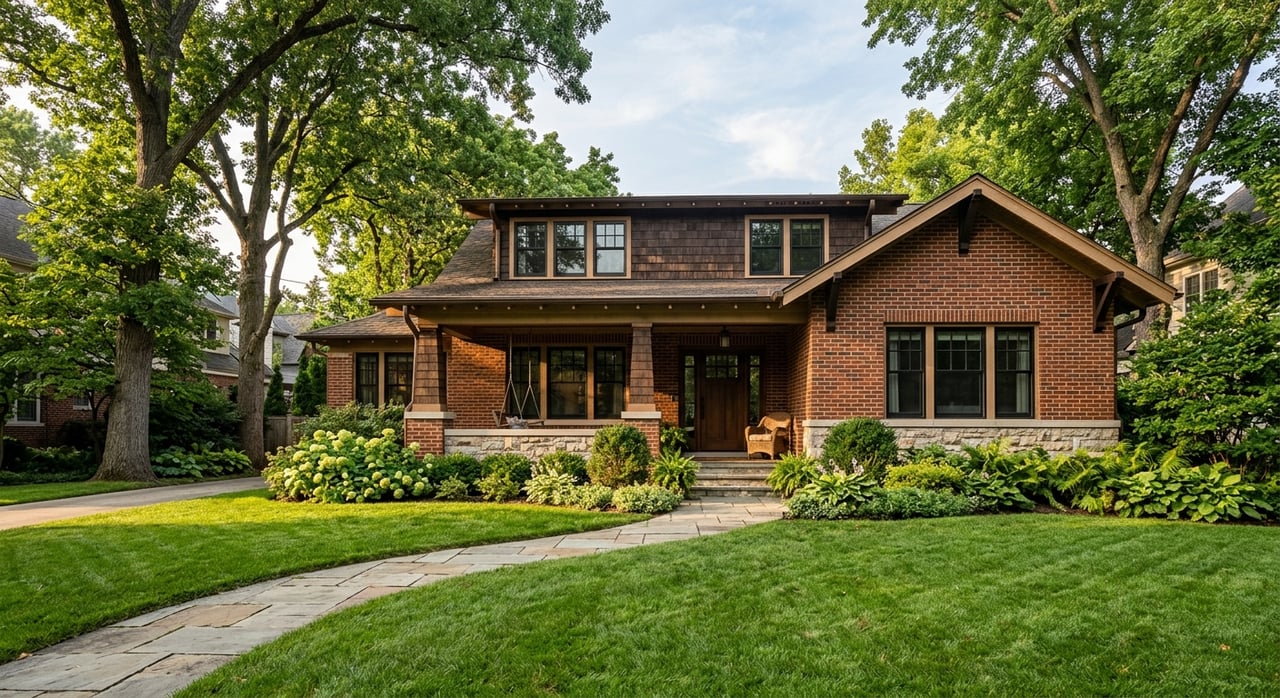
Are you torn between a brand-new home and an older property with more character? In Arab, that decision is especially relevant because you can find both active new subdivisions and established neighborhoods with older homes on larger lots. If you are weighing comfort, upkeep, lot size, and long-term value, this guide will help you compare your options with the local market in mind. Let’s dive in.
Why this choice matters in Arab
Arab is a growing small city in northeast Alabama, with an estimated 2025 population of 9,061. Local housing options are not all one style or one age, which gives you more flexibility but also makes the decision more personal.
The city’s housing stock is mixed. Census data shows a median year structure built of 1997, which tells you many homes in Arab were built before the newest subdivisions came along. At the same time, newer builder communities are active, so buyers today can compare fresh construction with established neighborhood settings side by side.
What new construction looks like in Arab
Current builder activity in Arab includes communities from Davidson Homes such as The Highlands and Little Creek. The Highlands is described as Arab’s newest community, with homes from the $260s to $380s and floor plans from 1,299 to 2,769 square feet.
Little Creek is an upcoming community with homes from the $300s to $410s and plans from 1,420 to 3,199 square feet. Builder materials highlight features like craftsman-style exteriors, brick accents, open-concept layouts, quartz counters, LVP flooring, tankless water heaters, gas options, and some three-car-garage availability.
That means new construction in Arab often appeals to buyers who want a more turnkey experience. You may find current finishes, modern layouts, and fewer immediate repair concerns than you would in an older home.
New homes often mean fewer early repairs
One of the biggest reasons buyers choose new homes is simple: they want to avoid near-term renovation and system issues. In the 2024 NAR buyer survey, 45% of buyers who chose a new home said avoiding renovations or plumbing and electrical problems was a top reason.
For many buyers, that peace of mind matters just as much as square footage. If you want to move in and focus on daily life instead of repair lists, a newly built home may feel like the easier path.
Customization and efficiency can be a draw
The same NAR survey found that 26% of buyers chose new homes for the ability to customize design features. Another 19% pointed to green or energy efficiency.
That can matter in Arab if you want a home that feels current from day one. Some new homes may also offer efficiency-focused construction features, and ENERGY STAR notes that certified new homes are designed to exceed minimum energy code by at least 10% and are independently verified for insulation, windows, air sealing, and HVAC performance.
Local approvals shape the process
In Arab, building a new home is about more than picking a floor plan. The city requires permits for new construction, additions, repairs, demolition, and alterations, and applicants may need zoning verification, site plans, drainage plans, and inspections.
A final inspection is required before a certificate of occupancy is issued. The Planning Commission also gives final approval to new subdivisions, which means many new-home purchases are influenced by local zoning and land-use rules before you ever get the keys.
Lot size may be more flexible than you expect
Some buyers assume new construction always means a very small lot. In Arab, that is not always the case.
Recent new-construction listings show lot sizes ranging from about 9,148 square feet to 0.84 acre. Even so, newer homes often follow a more standardized subdivision layout, so the feel may be more uniform than what you will find in older parts of town.
What established neighborhoods offer in Arab
Established neighborhoods in Arab often bring a different kind of value. Older homes can offer more variety in architecture, larger lots, and features that are harder to duplicate in a production neighborhood.
Current market snapshots show older homes built in 1960, 1961, 1970, and 1978 on lots of roughly 0.5 to 1.74 acres. Examples include full-brick homes, custom cedar homes, detached garages, storage buildings, and wraparound decks.
That does not mean every established home will look the same or offer the same benefits. It does mean you are more likely to see personality, variation, and space that feels less standardized.
Older homes can offer better value and character
Buyers who choose previously owned homes often do so for practical reasons. According to NAR, 38% cite better overall value, 36% say better price, and 23% point to charm and character.
That lines up well with what many buyers are looking for in Arab’s established neighborhoods. If you care about mature landscaping, a more individual home design, or extra outdoor space, an older property may check those boxes better than a newly built home.
Larger lots can change how a home lives
Lot size affects more than curb appeal. It can shape privacy, storage options, outdoor projects, and how much breathing room you feel day to day.
In established parts of Arab, it is more common to see homes on half-acre or larger lots than in newer subdivisions. If you want room for a detached garage, workshop, garden, or simply more separation from neighboring homes, older neighborhoods may deserve a closer look.
Maintenance is the trade-off
The upside of an older home often comes with more upkeep risk. Systems and materials may be older, and cosmetic updates may be needed sooner rather than later.
FTC guidance notes that builder warranties commonly apply to newly built homes, while home warranties are usually extra service contracts typically associated with existing homes. That does not make an established home a bad choice, but it does mean you should budget for maintenance with open eyes.
Historic areas may have added review
Arab also has a Historic Preservation Commission. The city says properties in the Arab Historical District must follow General Design Guidelines for exterior changes.
For some buyers, that can be a positive because it helps preserve a cohesive look and historic character. For others, it may feel more limiting if flexibility for exterior updates is a top priority.
New construction versus established neighborhoods
Both options can make sense. The better choice depends on what problem you are trying to solve.
| Factor | New Construction in Arab | Established Neighborhoods in Arab |
|---|---|---|
| Condition | Often more turnkey with fewer early repairs | May need updates or maintenance sooner |
| Layout | More likely to have open-concept plans and current finishes | May have more variation in floor plans and design |
| Lot style | Can include decent lot sizes, but usually in a more uniform subdivision pattern | Often more varied, with larger lots in some areas |
| Character | More consistent exterior style and neighborhood look | More individuality, mature landscaping, and charm |
| Process | Shaped by permits, inspections, zoning, and subdivision approvals | Easier to evaluate as an existing property, though condition matters more |
| Warranty expectations | Often includes builder warranty coverage | Home warranties are typically optional extra service contracts |
How to think about resale in Arab
Resale is not only about whether a home is new or old. In Arab, it is more useful to think about whether your home will match what the next buyer wants most.
Newer homes can stand out for turnkey condition, modern floor plans, energy-efficiency messaging, and possible warranty coverage. Established homes may stand out for larger lots, mature landscaping, storage space, and the charm buyers still actively seek.
In other words, the strongest resale candidates in either category are usually the homes that are well kept, well priced, and aligned with local buyer preferences. In Arab, those preferences may center on lot size, maintenance burden, garage and storage space, outdoor living, and overall neighborhood feel.
Questions to ask before you choose
Before you decide, it helps to narrow your priorities. A clear list can keep you from getting distracted by cosmetic features that do not actually support your goals.
Ask yourself:
- Do you want a move-in-ready home with fewer immediate projects?
- How important are lot size and outdoor space?
- Would you rather have modern finishes or more architectural personality?
- Are you comfortable budgeting for maintenance or updates?
- Do you want the feel of a newer subdivision or a more established setting?
- How much weight do you place on storage, detached structures, or garage space?
Your answers will usually point you in the right direction faster than any trend headline will.
Which option fits you best?
If you value low-maintenance living, current layouts, and a simpler move-in experience, new construction in Arab may be the better fit. If you care more about land, character, and a less standardized setting, an established neighborhood may offer the stronger match.
Neither option is automatically better. The right home is the one that fits your budget, your daily life, and the features you are most likely to value now and later.
If you want help comparing new builds and established homes in Arab, Trenten Hammond can help you sort through the trade-offs and find the right fit for your next move.
FAQs
What is the difference between new construction and established neighborhoods in Arab?
- New construction in Arab often offers modern layouts, newer materials, and fewer early repair concerns, while established neighborhoods often offer larger lots, more varied architecture, and more character.
Are new construction homes in Arab only found on small lots?
- No. Recent Arab new-construction listings show lot sizes ranging from about 9,148 square feet to 0.84 acre, though newer homes often still follow a more standardized subdivision layout.
Do established homes in Arab usually have more character?
- Many do. Market snapshots of older Arab homes show features like full-brick exteriors, cedar construction, detached garages, storage buildings, and wraparound decks that can feel more individualized.
Are there extra rules for some older neighborhoods in Arab?
- Yes. Properties in the Arab Historical District must follow the city’s General Design Guidelines for exterior changes, which can affect how updates are reviewed.
Which home type may be easier to resell in Arab?
- Resale depends less on whether a home is new or old and more on whether it is well kept, well priced, and aligned with what local buyers want, such as lot size, storage, outdoor space, and manageable upkeep.