Wondering what day-to-day life in Albertville, Alabama actually feels like before you make a move? That is a smart question to ask, because a city can look great on paper and still feel very different once you are living there. If you are considering Albertville, this guide will help you understand the basics, from housing and commuting to recreation and community life, so you can make a more confident decision. Let’s dive in.
Albertville at a glance
Albertville is a city in Marshall County on Sand Mountain, and the city describes that setting as a plateau covering about 26 square miles. The latest Census QuickFacts estimate puts the population at 23,392 in 2024, with 26.94 square miles of land area and about 831 people per square mile. That gives you a practical picture of a mid-sized city with room to spread out.
The local character feels rooted and established. Census data shows that 89.6% of residents lived in the same house a year earlier, which points to a relatively settled population. At the same time, Albertville is notably diverse, with 14.0% foreign-born residents and 27.2% of households speaking a language other than English at home.
The city also highlights schools, youth sports, fine arts, live entertainment, and cultural diversity as important parts of its identity. If you are looking for a place that feels active but not overly fast-paced, Albertville offers a balance that many newcomers appreciate.
What everyday life feels like
Daily life in Albertville tends to center on practical routines, community events, and recreation rather than a dense downtown lifestyle. You are more likely to build your week around work, errands, school activities, park time, and local events than around walking to a long row of restaurants or entertainment venues.
That does not mean there is nothing to do. It means the city’s social rhythm is shaped more by public spaces, organized events, and family-focused recreation. For many buyers, that is a plus because it creates a more grounded and predictable pace of life.
Recreation is a big part of Albertville
One of Albertville’s biggest draws is Sand Mountain Park & Amphitheater. This 130-acre complex is a major local hub, with a 6,000-seat amphitheater, 16 tennis courts, indoor and outdoor competition pools, baseball and multi-sport fields, an RV park, and a full recreation program.
The park also includes four miles of trails, dog parks, four playgrounds, and an 18-hole disc golf course. Membership information adds another standout feature: an outdoor waterpark with a 500-plus-foot lazy river. If you like having recreation close to home, this is a meaningful part of the city’s lifestyle.
Albertville’s public calendar also points to a steady lineup of concerts, park programming, and civic events. For a newcomer, that matters because it shows where people gather and how community life tends to happen.
Downtown amenities and local routines
Downtown Albertville adds some everyday convenience and seasonal activity to the mix. The Downtown Albertville Farmers Market is located in the Arts & Entertainment District at 314 Sand Mountain Drive and runs from May through September.
The city lists market hours on Saturdays from 8:00 a.m. to noon and Tuesdays from 4:00 p.m. to 7:00 p.m. For many residents, that kind of recurring event helps create a sense of routine and connection.
The Albertville Public Library is also still serving residents through a temporary downtown satellite location following the May 2025 fire. Weekday hours are 8:30 a.m. to 5:30 p.m. That detail says something important about the city: even while rebuilding, public amenities remain part of everyday life.
Commuting and getting around
Albertville is a car-oriented city, and that is one of the most important things to understand if you are relocating here. The city sits directly on U.S. 431 and AL 75, with access to I-59 about 22 miles away, I-65 about 49 miles away, and I-20 about 60 miles away.
That road access helps make Albertville convenient for regional travel in North Alabama. It also supports a lifestyle where many residents drive for work, shopping, and services.
The average commute is fairly manageable. Census QuickFacts lists a mean travel time to work of 19.7 minutes for workers age 16 and older. For many buyers, that suggests Albertville can offer a good middle ground between local living and access to nearby job centers.
Albertville does have a limited local bus service, but it works differently from transit systems in larger cities. Riders generally need to schedule in advance, service is usually limited to city limits, trips are capped at 20 miles per person, and one-way fares range from $2 to $5 depending on distance. Some medical trips to nearby facilities are allowed as exceptions.
Housing in Albertville
If you are trying to picture the local housing stock, the clearest guide is the city’s zoning framework along with Census data. Albertville includes R-1 and R-2 districts for low- and medium-density single-family residential uses, while R-3 through R-5 districts allow apartments, duplexes, townhouses, and condominiums.
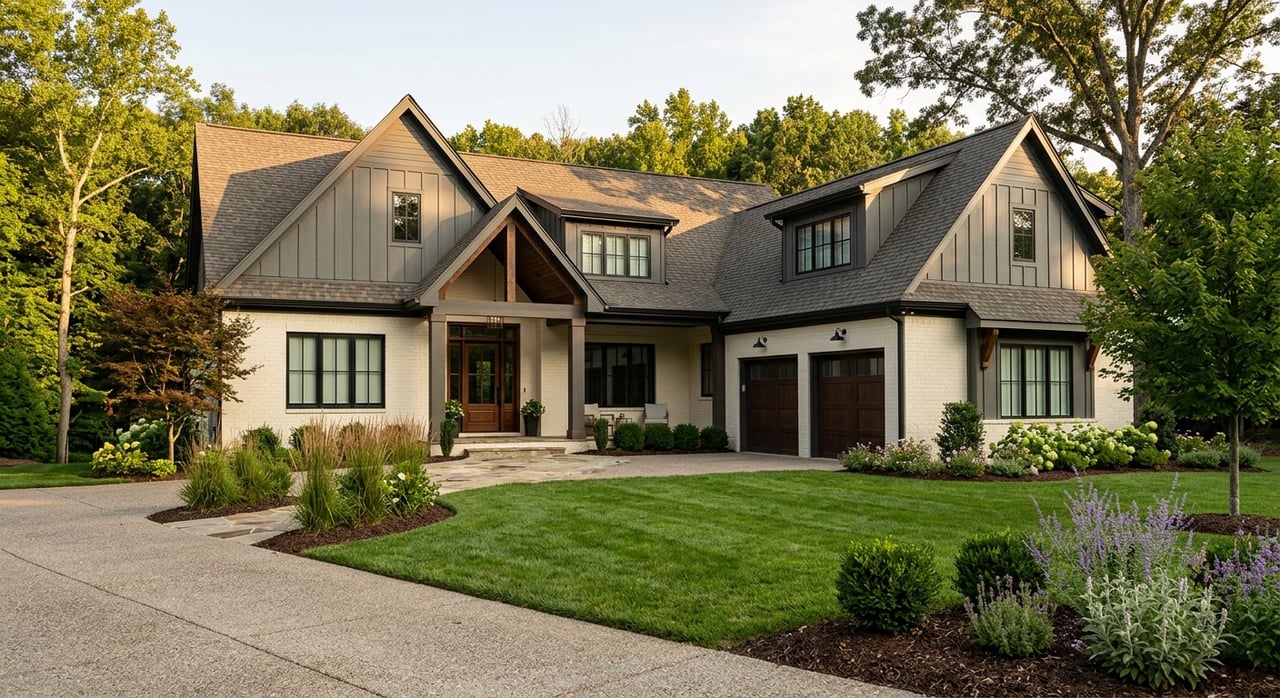
Mobile home parks are allowed only in designated zoning areas with a conditional use permit. In practical terms, that means many newcomers are most likely to come across detached single-family homes first, with attached and multifamily options available in specific parts of the city.
The broader housing numbers support that pattern. Census QuickFacts shows that 69.8% of homes are owner-occupied, which points to a market that leans more toward homeownership than high-density renting.
What the numbers say about costs
Albertville’s median owner-occupied home value is $188,400. Median monthly owner costs are $1,262 with a mortgage and $389 without one, while median gross rent is $872.
Those figures help set realistic expectations if you are comparing Albertville with other Marshall County or North Alabama communities. They also suggest a market that can appeal to buyers looking for a more suburban, family-size housing pattern instead of a dense urban setup.
Average household size is 2.80 people, which lines up with the city’s overall housing profile. If you need more room for daily life, work-from-home needs, or long-term flexibility, Albertville’s housing mix may feel like a practical fit.
Schools and daily family logistics
For households planning around school schedules and activities, Albertville City Schools is a major part of daily life. The district says it serves almost 6,000 students across seven schools plus Albertville Virtual Academy.
That scale tells you that school routines, sports, events, and district-related logistics are likely to be part of the weekly rhythm for many local households. Even if you are not moving for school-related reasons, that still shapes traffic patterns, community events, and how people organize their time.
Who Albertville may fit best
Albertville can be a strong fit if you want a city that feels established, practical, and connected to everyday recreation. It may especially appeal to buyers looking for:
- A mid-sized city with a stable residential base
- Detached homes and lower-density neighborhoods
- Easy access to major roads for commuting
- Parks, sports, and community events close to home
- A local setting with cultural diversity and a steady pace of life
It may feel less ideal if you want a highly walkable, transit-heavy, or dense urban environment. Albertville’s layout and transportation patterns point much more clearly toward a drive-based lifestyle.
What to think about before you move
Before choosing Albertville, it helps to think through how you actually live day to day. Your commute, home style preferences, recreation habits, and need for space all matter more than broad impressions.
A few practical questions to ask yourself include:
- Do you want a mostly car-based routine?
- Are you looking for detached housing options first?
- Would access to parks and organized recreation improve daily life?
- Do you prefer a city with a settled, community-focused feel?
- Are you comparing Albertville with other Marshall County locations like Guntersville, Boaz, or Arab?
The right move is usually not about finding a perfect city. It is about finding the best fit for your priorities, budget, and lifestyle.
If you are weighing a move to Albertville, local guidance can make the process much easier. From comparing neighborhoods and home types to understanding how Albertville fits into the wider Marshall County market, working with an experienced local professional helps you make a more informed choice. When you are ready to talk through your options, connect with Trenten Hammond.
FAQs
What is it like living in Albertville, Alabama?
- Albertville offers a practical, community-oriented lifestyle with a stable residential base, strong recreation options, and a pace that centers more on everyday routines, parks, and civic events than on dense urban entertainment.
Is Albertville, Alabama a good place for commuters?
- Albertville can work well for commuters because it sits on U.S. 431 and AL 75, with access to I-59, I-65, and I-20, and the mean travel time to work is 19.7 minutes.
What types of homes are common in Albertville, Alabama?
- Detached single-family homes are a major part of Albertville’s housing mix, while apartments, duplexes, townhouses, and condominiums are allowed in certain zoning districts.
What recreation options are available in Albertville, Alabama?
- Albertville’s recreation scene is anchored by Sand Mountain Park & Amphitheater, which includes trails, playgrounds, pools, courts, sports fields, dog parks, disc golf, and an amphitheater.
Is Albertville, Alabama more urban or suburban?
- Albertville generally feels more suburban and lower-density than urban, based on its Sand Mountain setting, zoning structure, and housing patterns.
What should newcomers know about Albertville, Alabama before moving?
- Newcomers should know that Albertville is a car-oriented city with a strong homeownership base, a diverse population, active public recreation, and housing options that often lean toward detached homes.