Wondering if you can cut down your Huntsville commute without giving up the feel of a smaller town? If you are weighing a move and want a practical base in Marshall County, Arab deserves a close look. You can get a better sense of the drive, the housing mix, and the day-to-day lifestyle before you decide where to land. Let’s dive in.
Why Arab draws Huntsville commuters
Arab sits about 30 miles south of Huntsville on Brindlee Mountain, and the city has long been tied to Huntsville’s growth. Local planning documents note that Huntsville’s Space and Flight Center and Redstone Arsenal helped shape Arab into a Huntsville suburb over time.
For many buyers, that matters because location is not just about distance on a map. It is about whether your daily drive feels realistic while still giving you a different pace at home. Arab offers that balance for buyers who want access to Huntsville while living in a smaller city setting.
What the commute looks like from Arab
The main route into Huntsville is US 231, which local transportation planning identifies as Arab’s principal arterial to the north. It is also the city’s heaviest-traffic corridor heading toward Huntsville, with average annual daily traffic around 13,000 to 15,000 vehicles on that segment.
That tells you something important right away. If you are commuting to Huntsville, you will likely be relying on a route that is well established and widely used by other drivers making the same trip.
Census estimates report a mean travel time to work of 29.4 minutes for workers age 16 and older in Arab. While your actual drive will depend on your job site, start time, and traffic conditions, that figure gives you a helpful benchmark when comparing Arab to other North Alabama options.
Why a shorter commute is only part of the story
A move is rarely just about shaving minutes off the drive. You are also choosing how you want everyday life to feel when you get home.
Arab has about 9,061 residents across 13.32 square miles, which gives it a smaller-scale feel than Huntsville. For many buyers, that can mean a more manageable day-to-day rhythm, established local amenities, and a community layout that feels easier to learn.
What housing in Arab is generally like
If you are relocating for commute reasons, the next question is usually whether the housing options match your budget and lifestyle. In Arab, the data points to a market shaped mostly by detached homes rather than dense, high-rise, or heavily attached housing.
Census QuickFacts reports 3,631 housing units in the city, with a 70.0% owner-occupied rate. The median owner-occupied home value is $215,200, the median monthly owner cost with a mortgage is $1,285, and the median gross rent is $718.
An Arab housing summary for 2016 through 2020 shows that 79.8% of the housing stock was 1-unit detached homes, while mobile homes made up 1.9%. The same report lists the median year built as 1979, with much of the housing stock developed in the 1970s, 1980s, and 1990s.
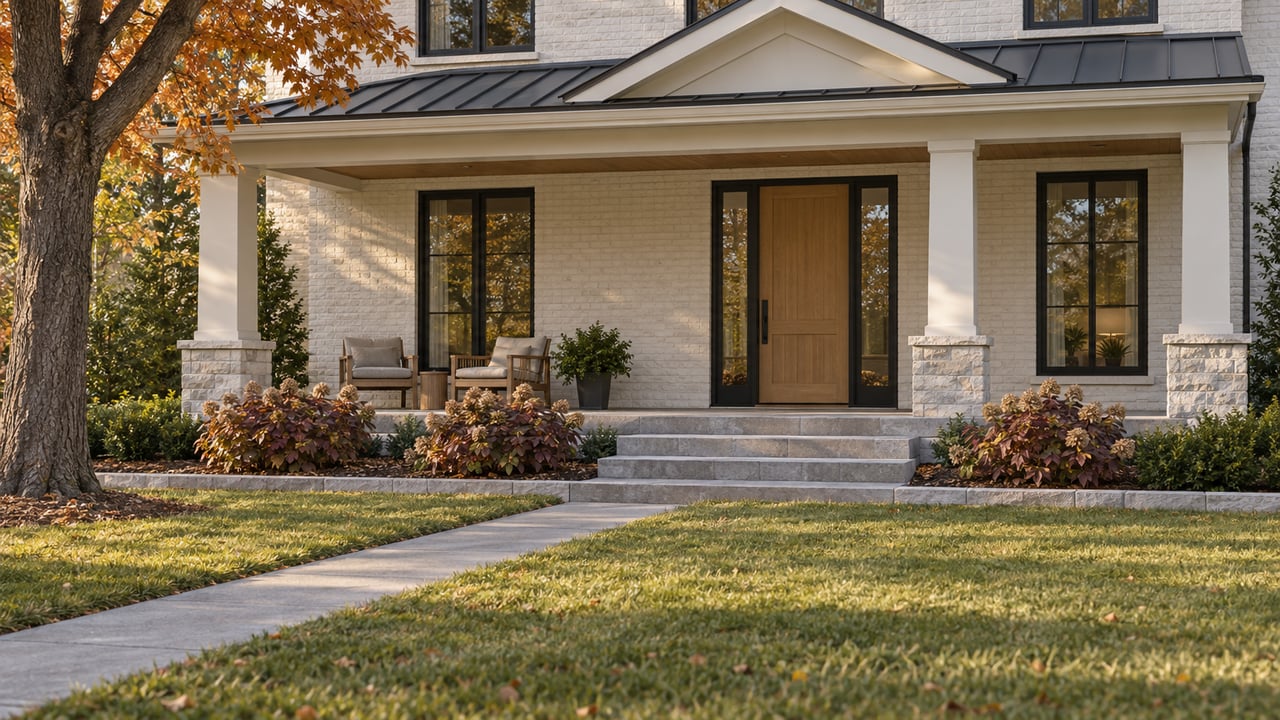
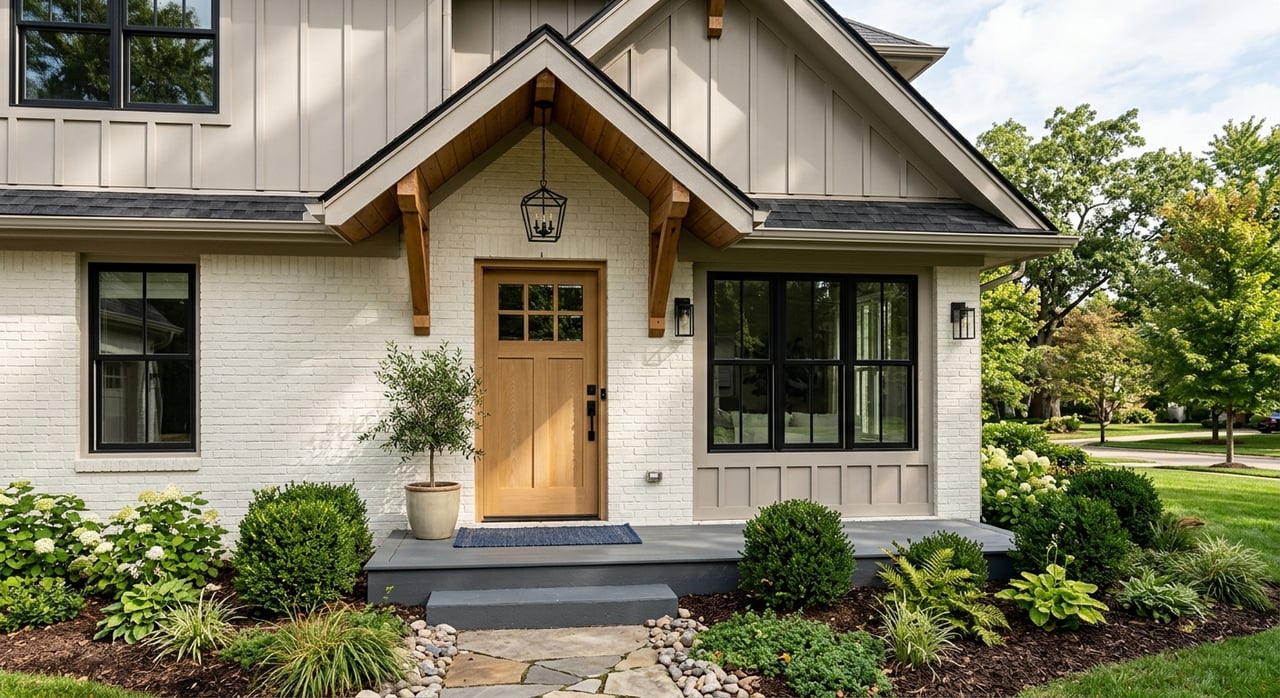
In practical terms, that often means you are more likely to find established detached homes on lots rather than a market dominated by brand-new subdivisions or high-density options. If you want a home with a more settled feel and a traditional neighborhood pattern, Arab may line up well with that goal.
What to expect from established housing
Established housing can be a plus if you value mature surroundings and a wider range of home styles. It can also mean you may want to look closely at condition, updates, layout, and maintenance history as you compare options.
That is especially important when you are relocating on a timeline. A home that looks right on paper still needs to fit your commute, budget, and repair comfort level in real life.
Daily life in Arab beyond the drive
A good commuter town needs more than a highway connection. It also needs the basics that support your week, from recreation to errands to community spaces.
Arab has several local amenities that shape daily life. The Arab Recreation Center includes a basketball gym, two racquetball courts, banquet and conference space, and the Marshall County Tag Office annex.
The city also operates a farmers market from April 1 through November 30, offering local produce and other goods. For buyers who want some local routine close to home, that can be a meaningful part of the lifestyle.
Parks, events, and community spaces
Arab City Park and the adjacent Historic Village are central public spaces in the city. According to the city, the Historic Village includes ten original buildings dating from the 1880s to the 1940s.
The parks area also includes a four-field soccer complex, a six-lane track, and a one-mile walking trail. The city lists recurring events such as Movies in the Park, Back-When Day, SugarFest, the Fire on the Mountain Cook-Off, the Arab Community Fair, and Christmas in the Park.
For a relocating buyer, details like these matter because they help you picture daily life outside work hours. You are not just choosing a house. You are choosing where your weekends, routines, and local connections may take shape.
Schools and local education options
Arab City Schools is a four-school district that includes Arab Primary, Arab Elementary, Arab Junior High, and Arab High. The district states that it offers Pre-K, dual enrollment opportunities with local colleges, career-technical classes in areas such as pre-engineering, precision machining, agri-science, drafting, and business applications, along with arts and athletics programs.
If schools are part of your relocation decision, it helps to know what systems and programs are available in the area. This gives you a factual starting point as you evaluate whether Arab fits your household’s needs and priorities.
The trade-offs to consider
No commuter move is perfect, and Arab has trade-offs worth thinking through. The city sits on Brindlee Mountain, and local planning documents note severe topographic constraints in some road connections.
In plain terms, the main Huntsville commute may feel straightforward on US 231, but some side roads and cross-town connections can feel more rural or less direct. That is the kind of detail that may not stand out in an online search but can make a difference in your daily routine.
This is why it helps to evaluate more than mileage alone. You want to understand not only how long it takes to get to Huntsville, but also how the local road network feels around the home you choose.
Who Arab may fit best
Arab may appeal most to buyers who want a smaller, more owner-occupied community with a direct route toward Huntsville. It can also be a strong option if you prefer detached homes, established housing stock, and local amenities centered around parks, schools, and community events.
If your priority is a dense urban setting or a market dominated by brand-new high-density housing, Arab may feel different from what you are seeking. But if you want a practical North Alabama base with a known commute corridor and a smaller-city pace, it is worth serious consideration.
How to approach your move strategically
If you are considering Arab for a shorter Huntsville commute, start with a clear plan. The best relocation decisions usually come from matching your daily routine to the right property, not just chasing a lower price or a shorter drive on paper.
A smart search often includes:
- Testing the drive to your workplace at the time you would actually travel
- Comparing established homes for condition, updates, and lot size
- Looking at how close you want to be to US 231 for easier commuting
- Thinking through your weekly needs for parks, schools, errands, and recreation
- Balancing home price, monthly cost, and commute convenience together
That kind of planning can save you time, stress, and second-guessing later.
If you want help narrowing down where to buy in Arab or elsewhere in Marshall County, Trenten Hammond offers local guidance, clear communication, and hands-on support to help you move with confidence.
FAQs
What is the typical commute from Arab to Huntsville?
- Census estimates report a mean travel time to work of 29.4 minutes for workers age 16 and older in Arab, and US 231 is the main route north toward Huntsville.
What kinds of homes are common in Arab, Alabama?
- Arab’s housing stock is largely made up of 1-unit detached homes, with city housing data showing 79.8% in that category and a median year built of 1979.
Is Arab, Alabama a good option for Huntsville commuters?
- Arab can be a strong fit if you want a smaller city setting, a direct US 231 commute corridor, and an established housing market with a high owner-occupied rate.
What amenities does Arab offer for daily life?
- Arab offers city parks, a recreation center, a seasonal farmers market, walking and sports facilities, and recurring community events throughout the year.
What schools are located in Arab, Alabama?
- Arab City Schools includes Arab Primary, Arab Elementary, Arab Junior High, and Arab High, with programs that include Pre-K, dual enrollment, career-technical classes, arts, and athletics.