By Trenten Hammond
Moving is a lot to manage on its own, and when you add pets to the equation, the logistics take on a whole new dimension. Dogs, cats, birds, and other animals are deeply attuned to their environments, and a move can feel disorienting for them in ways that aren't always obvious until you're in the middle of it. The good news is that with a little planning and intentionality, you can make the experience far less stressful for everyone in the household, including the ones with paws or feathers.
Whether you're relocating across town or making a longer move, your pets will need time and support to adjust to their new surroundings. Lakes, trails, and wide open spaces make Guntersville a wonderful destination for pet owners, but even the most welcoming environment takes some getting used to for an animal leaving familiar territory.
The tips below walk you through the full arc of a pet-friendly move, from the weeks leading up to moving day through your first few months in the new home.
Key Takeaways
- Updating your pet's identification and microchip information before the move is one of the most important steps you can take.
- Keeping your pet's routine as consistent as possible during the transition helps reduce stress and behavioral changes.
- Creating a designated safe space in the new home gives your pet a familiar anchor during an unfamiliar time.
- Moving day itself is high-risk for pets; having a plan to keep them calm and contained can prevent accidents and escapes.
- Gradual introductions to the new home and neighborhood set your pet up for a confident, comfortable adjustment.
Start Preparing Your Pets Early
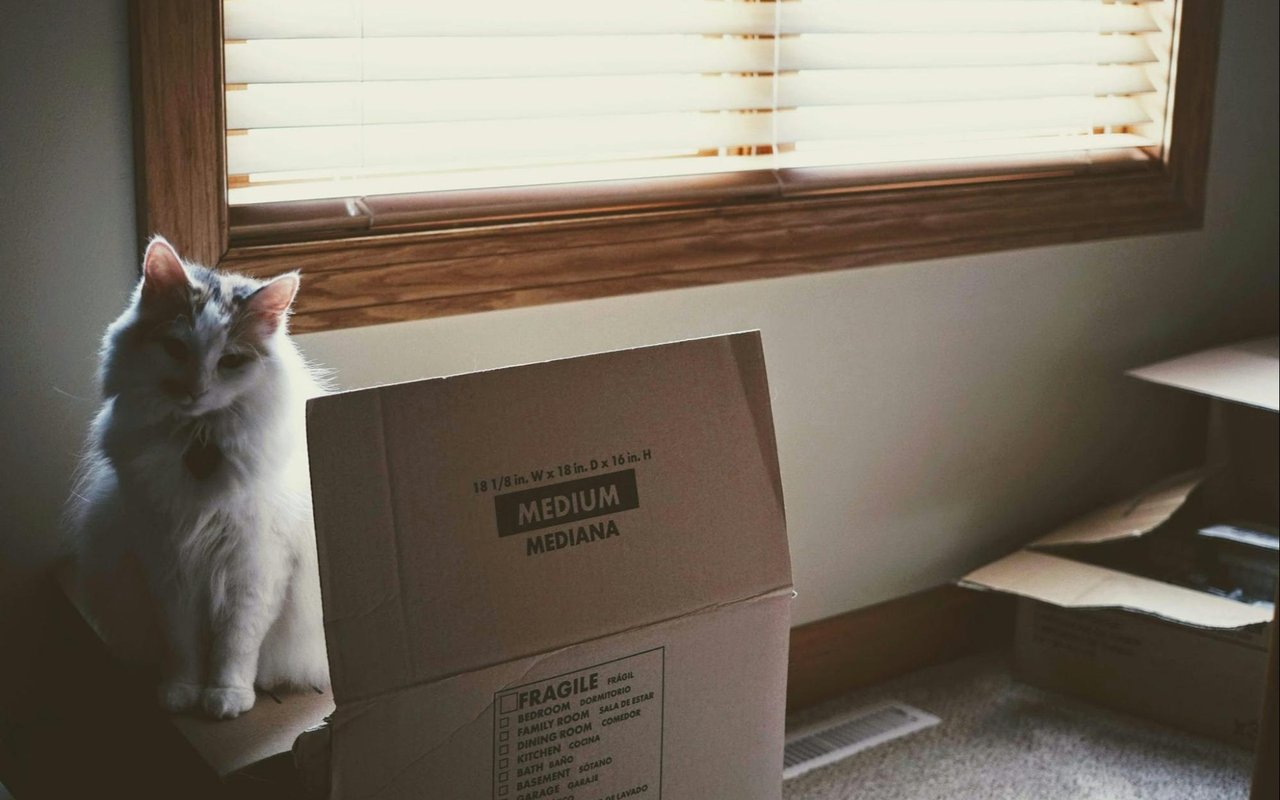
The earlier you begin preparing your pets for the move, the easier the transition will be. Animals pick up on changes in household routines well before moving day arrives, and addressing those signals proactively can prevent anxiety from building up over time. Start by leaving boxes out in the living space so that your pets can investigate them at their own pace. To a curious dog or cat, a stack of cardboard boxes is just a new item in the room; introducing it gradually removes the element of surprise.
If your pet is crate-trained, begin increasing the amount of time they spend in the crate in the weeks before the move. This makes the crate feel like a safe retreat rather than a stressor on moving day. For cats, carrier training is worth the effort. Cats that associate their carrier with stress will fight the process; cats that associate it with treats, naps, and familiarity will tolerate travel much more easily.
Talk to your veterinarian at least two to three weeks before the move. This is a good time to discuss whether your pet might benefit from calming supplements or a short-term anti-anxiety medication for the journey. Your vet can also update your records, confirm that vaccinations are current, and discuss anything specific to your needs.
If your pet is crate-trained, begin increasing the amount of time they spend in the crate in the weeks before the move. This makes the crate feel like a safe retreat rather than a stressor on moving day. For cats, carrier training is worth the effort. Cats that associate their carrier with stress will fight the process; cats that associate it with treats, naps, and familiarity will tolerate travel much more easily.
Talk to your veterinarian at least two to three weeks before the move. This is a good time to discuss whether your pet might benefit from calming supplements or a short-term anti-anxiety medication for the journey. Your vet can also update your records, confirm that vaccinations are current, and discuss anything specific to your needs.
Steps To Take Before Moving Day
- Schedule a vet visit to update vaccinations, get health records, and discuss any travel-related concerns.
- Update your pet's microchip information with your new address and phone number.
- Invest in a new ID tag with your updated contact details and attach it to your pet's collar well before the move.
- Gradually introduce packing materials and moving boxes so your pet has time to acclimate to the changing environment.
- Pack a dedicated pet bag with food, water, bowls, medications, bedding, and toys so that everything essential is easy to access.
Make Moving Day as Calm as Possible
Moving day is the most chaotic part of the process, and it can be overwhelming for animals. Front doors opening and closing constantly, unfamiliar movers coming and going, furniture being shuffled around — all of that activity creates an environment where pets are at risk of slipping out or becoming so anxious that they behave in ways they normally wouldn't.
The most effective approach is to keep your pets out of the action entirely. Designate a quiet room in your current home where they can stay during the bulk of the move, complete with their bed, food, water, and something that smells familiar. Put a sign on the door so the movers know not to open it. If you have a friend who can take your pets for the day, that's often the lowest-stress solution of all.
For long-distance moves, plan your route in advance and research pet-friendly rest stops along the way. Keep food and water consistent with what your pet normally eats to avoid digestive upset during travel.
The most effective approach is to keep your pets out of the action entirely. Designate a quiet room in your current home where they can stay during the bulk of the move, complete with their bed, food, water, and something that smells familiar. Put a sign on the door so the movers know not to open it. If you have a friend who can take your pets for the day, that's often the lowest-stress solution of all.
For long-distance moves, plan your route in advance and research pet-friendly rest stops along the way. Keep food and water consistent with what your pet normally eats to avoid digestive upset during travel.
What To Have Ready on Moving Day
- A comfortable carrier or crate for the vehicle that is secured and properly ventilated.
- Enough food and water for the journey, portioned in familiar containers.
- Calming aids, such as pheromone sprays, anxiety wraps, or prescribed medications, if your vet recommended them.
- Recent photos of your pet on your phone in case they get separated during the transition.
- A leash and collar within easy reach whenever you're stopping or getting out of the vehicle.
Help Pets Settle Into the New Home
Once you arrive, the instinct is to start unpacking and getting organized as quickly as possible. For your pets, though, a slower introduction to the new space will pay off in the long run. Rather than letting your dog roam the entire house immediately, start with one or two rooms and allow them to explore at their own pace. This is especially true for cats, who can become overwhelmed by too much open space and may hide or stop eating if they feel overstimulated.
Set up your pet's belongings before bringing them inside. Having their bed, food bowls, and toys already in place gives them something familiar to orient around the moment they arrive. The scent of their own belongings in the new space sends a reassuring signal that this is somewhere they belong.
For dogs, begin leash walks around the new neighborhood as soon as you can. This helps them get used to new smells, sounds, and sights at a manageable pace. Physical activity reduces stress hormones and gives your dog a healthy outlet for any restless energy that comes with being in an unfamiliar place.
Set up your pet's belongings before bringing them inside. Having their bed, food bowls, and toys already in place gives them something familiar to orient around the moment they arrive. The scent of their own belongings in the new space sends a reassuring signal that this is somewhere they belong.
For dogs, begin leash walks around the new neighborhood as soon as you can. This helps them get used to new smells, sounds, and sights at a manageable pace. Physical activity reduces stress hormones and gives your dog a healthy outlet for any restless energy that comes with being in an unfamiliar place.
Signs That Your Pet Is Adjusting Well
- Eating and drinking at a normal pace within the first few days.
- Showing interest in toys, play, or exploring the new environment.
- Greeting you in their typical way rather than hiding or acting withdrawn.
FAQs
How Long Does It Take for a Pet To Adjust to a New Home?
Most dogs and cats begin to settle in within two to four weeks, though some animals may take longer depending on their temperament and history. Signs of adjustment include returning to normal eating habits, sleeping comfortably, and resuming typical behaviors. If your pet seems anxious or withdrawn for more than a month, a conversation with your veterinarian is a good next step.
Should I Find a New Vet Before I Move?
Ideally, yes. Researching veterinarians in your new area before you arrive means you're not scrambling if something comes up in the first few weeks. Ask for a copy of your pet's medical records from your current vet, and schedule a wellness visit with the new provider as soon as you're settled.
Is It Normal for Pets To Stop Eating After a Move?
A brief decrease in appetite in the first few days is common and usually not a cause for concern. If your pet refuses food for more than 48 hours or shows other signs of distress, reach out to a veterinarian. Keeping food consistent, familiar, and offered at the same times as usual will help normalize eating again.
Your Next Chapter, Together
A move brings a lot of change, and for your pets, navigating that change requires trust. If you're planning a move to Guntersville, Alabama, and want expert guidance on finding a home that works for both you and your pets — whether that's a yard with space to run, proximity to the lake, or a neighborhood where your dog can enjoy a morning walk — I'm here to help you find the right fit. Reach out to me, Trenten Hammond, and let's talk about what you're looking for in your next home.